
As a result, Germans discovered that their brews still offered enjoyable flavors even at warmer temperatures. This revelation led to the development of beers designed to be consumed at higher temperatures, such as Bock and Doppelbock. Now that we’ve debunked the myth of warm beer and intoxication, it’s time to embrace why does alcohol make you hot the unique experience it offers. The warmth of the beer allows you to take your time, savoring each sip and truly immersing yourself in the flavors and aromas. It’s a leisurely and contemplative way to enjoy a beverage, perfect for cozy gatherings, pub atmospheres, or simply unwinding after a long day. However, if you consistently experience a strong flush response after drinking even small amounts of alcohol, particularly wine, it’s a strong indicator that you may have the deficiency.
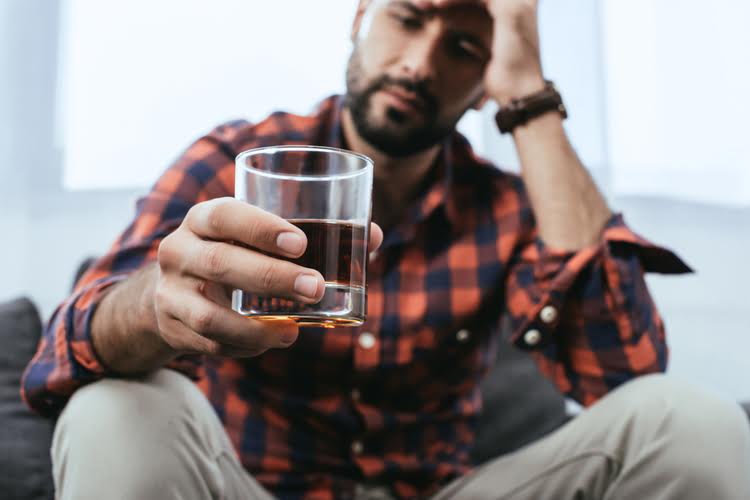
Preventing Hot Feet After Drinking Alcohol

Night sweats may also result from alcohol withdrawal or alcohol intolerance. For people who already experience night https://ecosoberhouse.com/ sweats, including those going through menopause, consuming alcohol can worsen the sweating. Alcohol is one of the oldest psychoactive substances still widely used today.
What is really happening to your body temperature when you drink?
This effect is thought to be due to alcohol’s impact on the nervous system, which can affect the brain’s ability to register and process temperature changes. Over time, frequent alcohol consumption can lead to the development of a partial tolerance to the vasodilatory effect, resulting in reduced flushing. Certain medications, such as antibiotics or medications for high blood drug addiction treatment pressure, can interact with alcohol and intensify the sensation of feeling hot.
FAQ 4: Can you “train” your body to tolerate wine better and reduce the flush?
The warmth allows the volatile compounds within the beer to evaporate more readily, releasing a symphony of scents and tastes. So, while it might seem counterintuitive, warm beer enthusiasts believe they are getting a fuller, more immersive drinking experience. Yes, drinking water between glasses of wine can help dilute the alcohol concentration in your system and potentially reduce the severity of the flush. Consistently experiencing the wine flush, especially due to ALDH2 deficiency, is linked to an increased risk of certain health problems. Studies have shown a correlation between ALDH2 deficiency and increased risk of esophageal cancer, Alzheimer’s disease, and heart disease when combined with regular alcohol consumption. Then get completely out of the tub and wait 20 minutes before re-entering.
It helps me sleep
- They can make it harder for your body to produce collagen, a key component of healthy skin cycles, and for your skin to heal after any kind of trauma.
- ” You’ve likely heard this advice (or something similar), but it’s one of the many alcohol myths you shouldn’t let fool you.
- When your relationship with alcohol leads to disruptive symptoms like intense night sweats, it might be time to reevaluate your drinking habits.
- However, if you’re also experiencing red, itching, or tingling skin, you could be dealing with alcohol flush.
This relaxation effect, combined with alcohol’s vasodilation properties, can intensify the feeling of heat. This is an uncomfortable flushing reaction that occurs immediately after the person starts drinking. This reaction isn’t a sign of intoxication or drunkenness, but rather it means that your body doesn’t contain the correct enzymes to break down alcohol to a byproduct that’s safe to process. Alcohol withdrawal is a common reaction in people with alcohol use disorders when they suddenly stop drinking or go a while without having alcohol. Alcohol withdrawal syndrome (AWS) is usually an uncomfortable process, which is why it’s recommended that people undergo medical detox to safely recover from withdrawal. It is okay to enjoy a drink or two every once in a while without any negative effects.
- While alcohol can make you feel hot, it is unlikely to cause overheating unless consumed in excessive amounts.
- Alcohol can be socially accepted, which sometimes hides how easily problems can snowball.
- You may feel like you have a high temperature after drinking alcohol because of how alcohol affects your brain.
- The assertion that warm beer accelerates the intoxication process lacks substantiation 23.
- There is no specific type of alcohol that is more likely to cause hot flashes.
Debunking Myths: Warmth, Alcohol, and Intoxication
When alcohol enters the liver, it is broken down by enzymes into acetaldehyde, a toxic substance that causes various physiological effects. This process increases metabolic activity, which can generate heat and contribute to feelings of warmth and flushing. This means that it causes blood vessels to widen, allowing more blood to flow through them.

So already heated water combined with dilated blood cells from the alcohol you have a potentially dangerous situation. However, the heat combined with the intoxication can impair judgment & require larger amounts of water to be consumed to avoid dehydration. The heat can also dilate blood vessels, leading to feeling lightheaded. An alcohol flush reaction is common if you have an alcohol intolerance and can’t fully digest the alcohol you drink.
When beer is warm, the flavors and aromas become more pronounced, which can be a good or bad thing depending on the beer. A significant portion of the East Asian population, estimated at around 36%, carries a genetic variant that significantly reduces the activity of ALDH2. This genetic polymorphism makes it harder for their bodies to process acetaldehyde, leading to a more pronounced and uncomfortable flush response. But this isn’t just an Asian phenomenon; ALDH2 deficiencies exist in populations worldwide, although at lower frequencies. Keep the temperature a bit lower than usual, stay hyper-aware of your body’s signals and most importantly get out at the first signs of trouble.
Night sweats and hot flashes can also occur after drinking, and it’s important to stay alert for signs of alcohol poisoning. Alcohol can be consumed safely during menopause, as long as each woman evaluates the risk beforehand – increased frequency of menopause symptoms. Certain medications used during menopause strongly advise against alcohol use.
Binge drinking is also reported to be a habit of 12% of adults in the UK2. You’ll meet millions of fellow Reframers in our 24/7 Forum chat and daily Zoom check-in meetings. Receive encouragement from people worldwide who know exactly what you’re going through! You’ll also have the opportunity to connect with our licensed Reframe coaches for more personalized guidance.
Alcohol Addiction Treatment in Atlanta, GA
Regardless of whether you drink beer, wine, or spirits, the alcohol content is what influences the dilation of blood vessels and subsequent warmth. While the occasional sensation of heat after drinking alcohol may not cause significant harm, excessive alcohol consumption can have long-term health consequences. Chronic alcohol abuse can lead to liver damage, cardiovascular problems, and other serious health issues. It’s essential to drink alcohol responsibly and in moderation to avoid these risks. However, by expanding your blood vessels, alcohol helps cool your body. You feel hot from drinking alcohol because you are losing heat through your skin.